


(a) Discuss the cultivation of maize under the following headings.
(i) soil requirements;
(ii) method of propagation;
(iii) spacing;
(iv) weed control;
(v) two fungal diseases;
(vi) harvesting.
(b) Describe each of the following farm records:
(i) production record;
(ii) farm inventory;
(iii) cash book;
(iv) labour record
(a) State four characteristics of igneous rocks. .
(b) The table below illustrates the combined demand and supply schedule for maize.
Use it to answer the questions that follow.
|
Price |
Quantity of maize demanded |
Quantity of maize supplied (kg) |
|
20 |
50 |
340 |
|
16 |
70 |
300 |
|
12 |
125 |
250 |
|
8 |
200 |
200 |
|
4 |
350 |
130 |
(i) Draw the demand and supply curves to show the equilibrium price of maize.
(ii) Determine the excess demand for maize at a unit price of ₦4.
(iii) Determine the excess supply for maize at a unit price of ₦12.
The diagram below illustrates an experimental set-up on soil. Study it and answer the questions that follow.
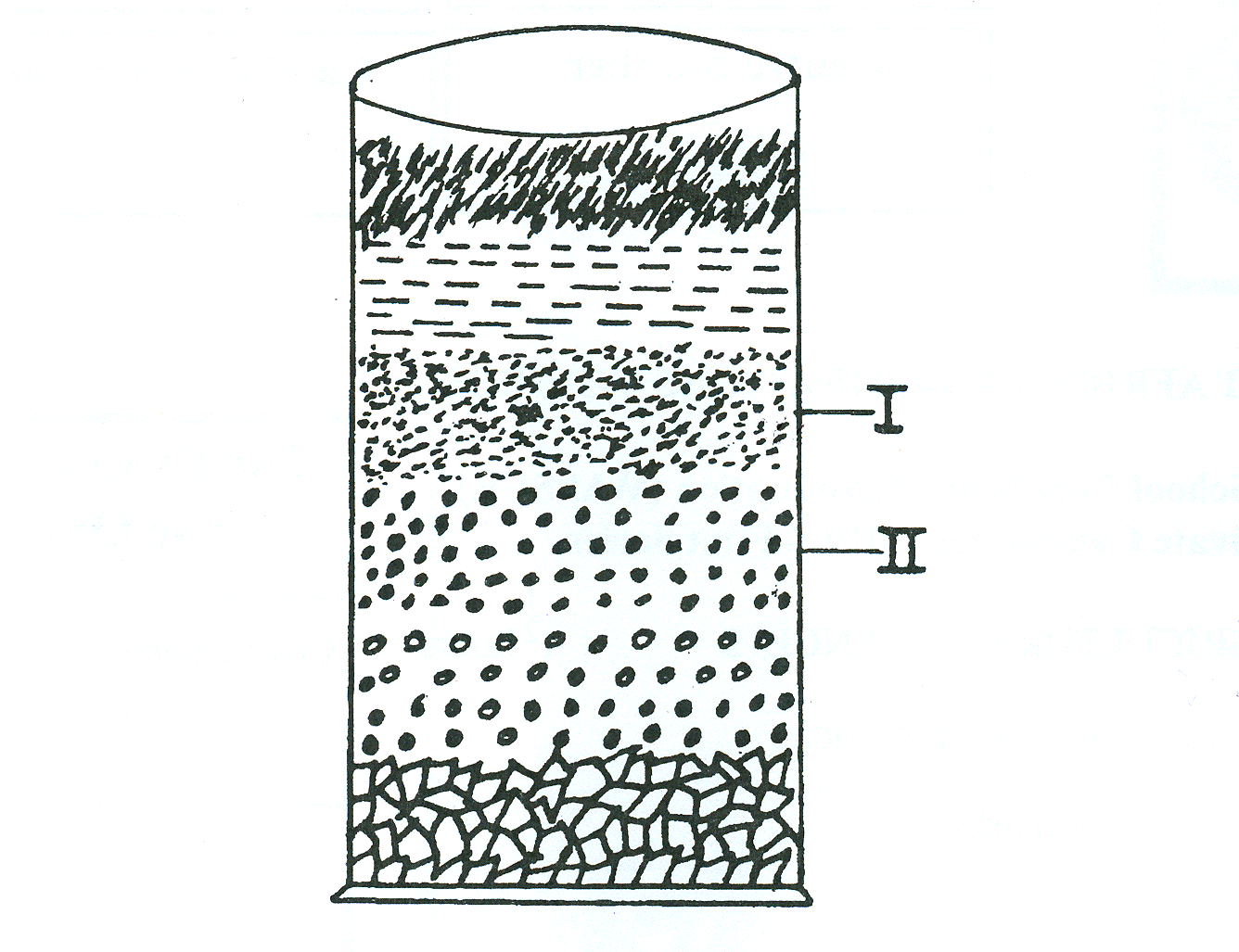
a) (i) State the aim of the experiment.
(ii)Name the parts labelled I and II in the diagram.
b) Describe how the experiment is carried out.
c) State four properties of sandy soils.
d) Describe a test for soil acidity using litmus paper.


Study the farm implement illustrated below and answer the questions that follow.
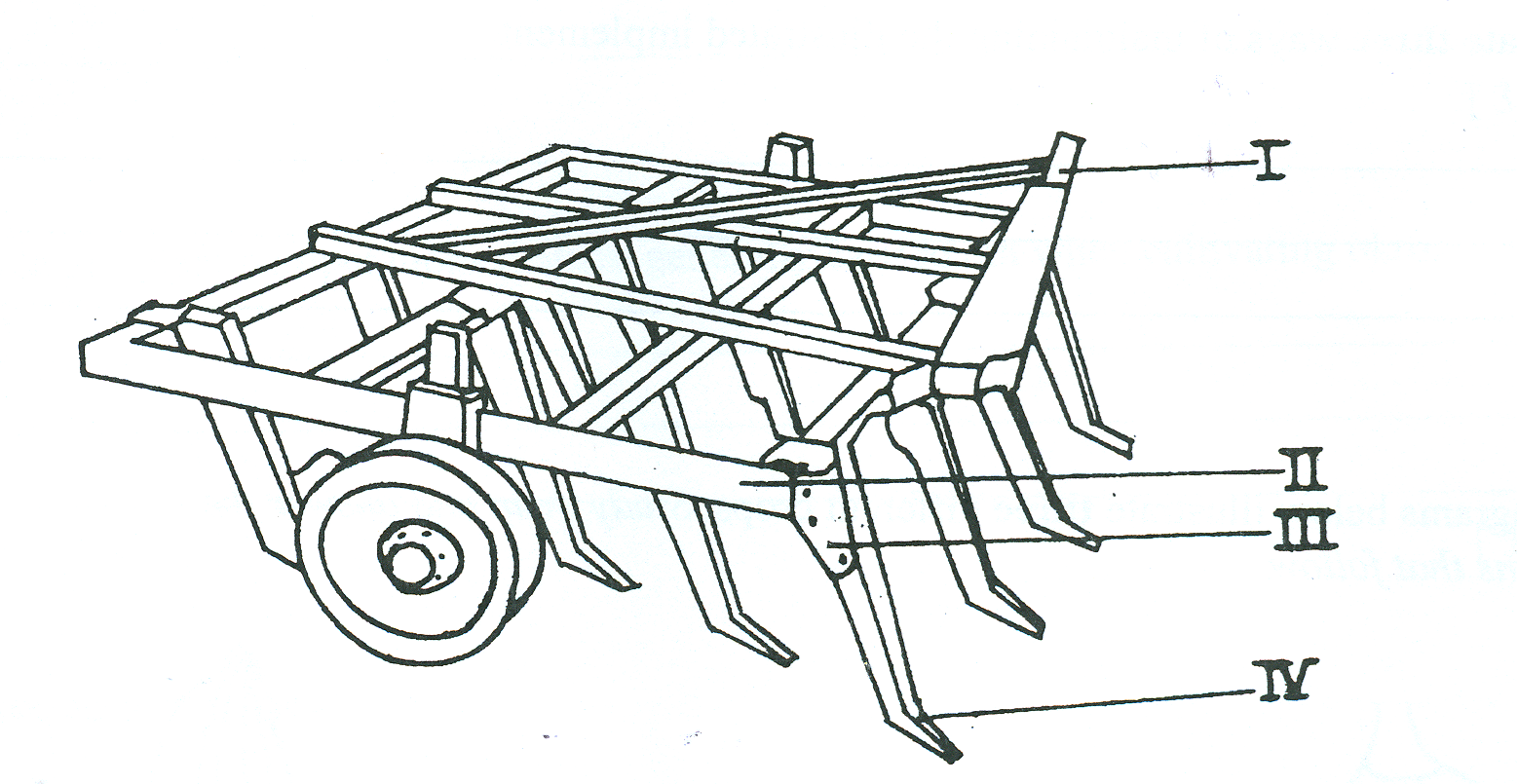
a) Identify the farm implement illustrated.
(ii)Name the parts labelled I and II III IV in the diagram.
b) State one function of each of the parts labelled I, II, III and IV.
c) Mention the farm operation for which the illustrated implement is used.
d) List two farm tools that can perform similar functions as the illustrated implement.
e) State three ways of maintaining the illustrated implement.
The diagrams below illustrate three different crops.
Study them and answer the questions that follow.
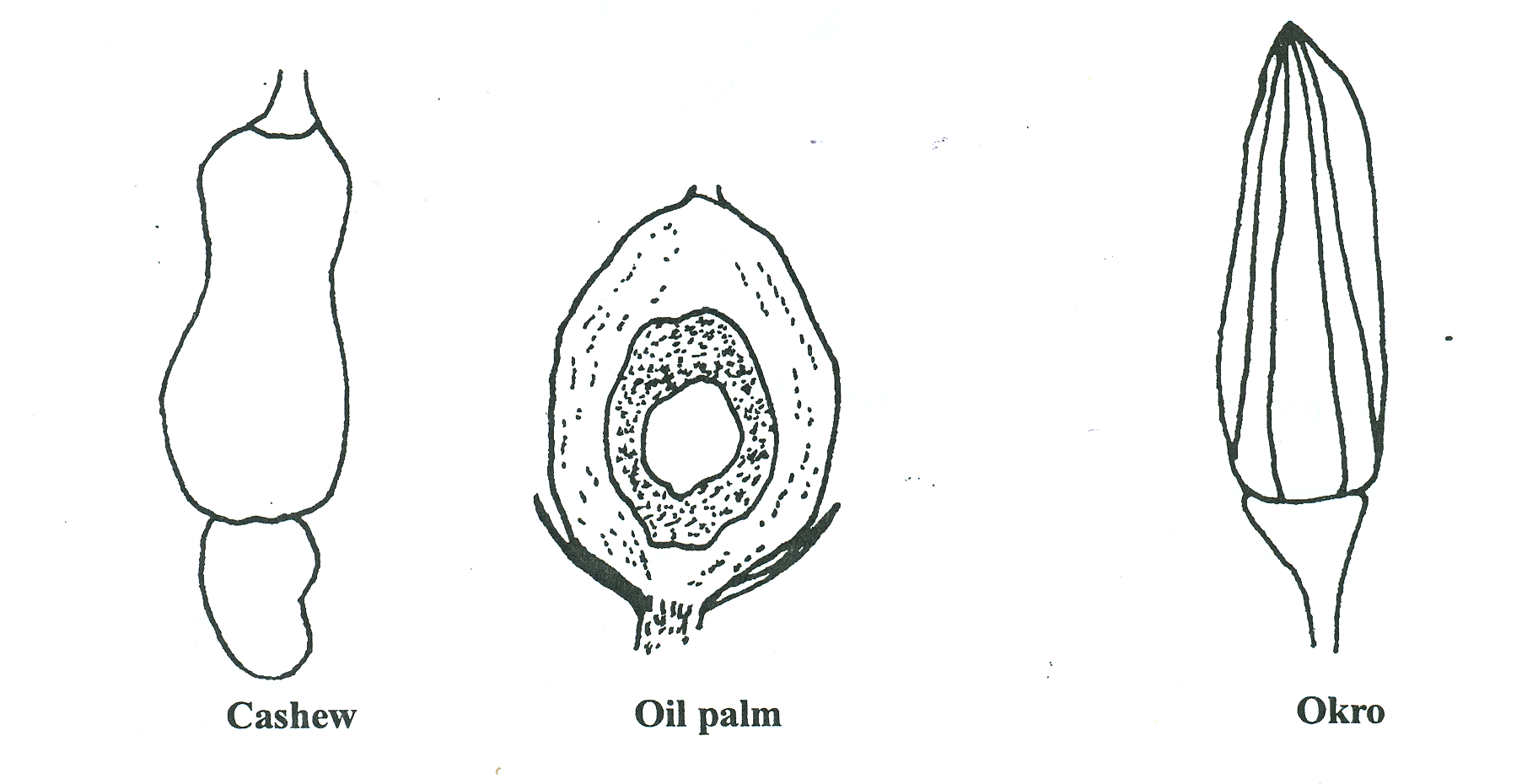
a) State the method of propagating each crop.
b) List three varieties of oil palm.
c) Mention three diseases of okro..
d) State three pre-planting operations that are generally carried out when cultivating okro.
e) List three uses of cashew.
