


The circulatory system is a network of blood vessels, the heart, and blood that moves throughout the body. The circulatory system's main function is to transport nutrients, oxygen, and hormones to the body's cells, and remove waste products.
The reproductive system is a collection of organs in both males and females that work together to produce offspring, primarily consisting of the gonads (ovaries in females, testes in males) which create sex cells (eggs and sperm), and accessory organs that transport and nurture these cells to facilitate fertilization and potential pregnancy.
The nervous system is a complex network of nerves and nerve cells (neurons) that control bodily functions by sending signals between the brain and the rest of the body, allowing us to move, think, feel, and regulate internal processes; it consists of two main parts: the central nervous system (brain and spinal cord) and the peripheral nervous system
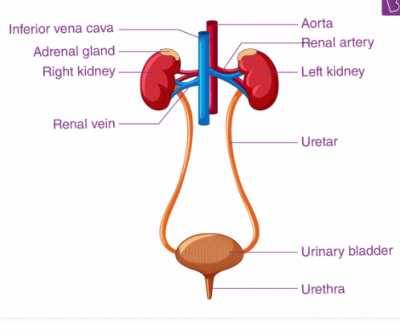
The urinary system helps the body maintain balance by removing waste products like urea, extra salt, and extra water. Urea is a waste product created when the body breaks down protein from foods like meat, poultry, and some vegetables. Its function is to remove waste from the body through urine bladder, urethra, kidneys and ureters.
Parts of the urinary system
There is an explanation video available below.





Contributions ({{ comment_count }})
Please wait...
Modal title
Report
Block User
{{ feedback_modal_data.title }}