


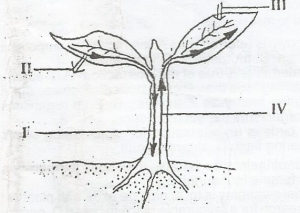
Plants primarily take in carbon dioxide (CO\(_2\)) through tiny pores called stomata located on the surface of their leaves. These pores, which are typically found on the underside of leaves, allow for the exchange of gases, including the entry of CO\(_2\) for photosynthesis and the release of oxygen. The opening and closing of stomata are regulated by specialized cells called guard cells, which help control water loss and gas exchange. Once CO\(_2\) enters the leaf through the stomata, it is used, along with water and sunlight, in the process of photosynthesis to produce sugars (food) for the plant.
CO\(_2\) taken in by plants through their leaves via stomata is used in photosynthesis to create sugars, which are then transported to other parts of the plant for growth and energy.




Contributions ({{ comment_count }})
Please wait...
Modal title
Report
Block User
{{ feedback_modal_data.title }}