Snail
Crab
Millipede
Earthworm
Explanation
Video Explanation
No video available
Post your Contribution
Discussions (45)

All the options possess what were listed in the question, but the problem is interpretation, chaetae, tentacles and antennae are in plural forms, which means snail has 2 tentacles, crab has 4 antennae and earthworm has more than one chaetae, but millipede has just one antenna which makes it the odd one out. So the answer is millipede.
myschool plz the answer is wrong so as not to deceive aspiring candidates.....snails or molluscs possess tentacles...crab or crustaceans possess antenna...earthworm or nematodes possess chetae...milipede is therefore the correct answer....plz review
I want to use this platform to really thank my school. You guys really tried 4 me. Ive my exams this weekend. Thank you @myschool 

The correct option is B. Crab
Chaetae is present in in Earthworm
Tentacles are present in Snail and Antennae is present in Millipedes ?
Crab doesn't have any of these features, therefore Option B is right.

A Chaete or cheta is a chintinuous bristle or seta found in insects, arthropods or annnelids worm..Ref: Wikipedia.org
1.Arthropoda
i.myrapodia eg: milipedes
ii.crustaceans eg: crabs
2.Annelid eg: earthworm
but snail which belongs to the Phylum "MOLLUSCA" doesn't have a CHAETE
There is no answer in this question.
millipede has antennae and earthworm also has chaetae
The correct answer is (d) Earthworm.
Earthworms are annelids, and they do not have:
- Chaetae (bristles) are present, but not in the same sense as in other invertebrates. Earthworms have setae (bristles) that help them move and burrow.
- Tentacles: Earthworms do not have tentacles.
- Antennae: Earthworms do not have antennae.
In contrast:
- Snails (a) have tentacles and lack chaetae and antennae.
- Crabs (b) have antennae and lack chaetae and tentacles.
- Millipedes (c) have antennae and chaetae (many bristles), but lack tentacles.
So, earthworms are the ones that lack all three features: chaetae (in the classical sense), tentacles, and antennae.

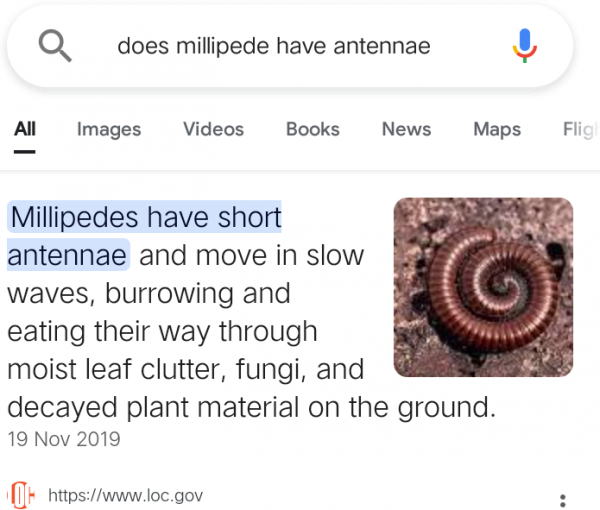

The animal that lacks chaetae, tentacles, and antennae among the options provided is the **Millipede**. So, the correct answer is C. Millipede. It's important to note that while millipedes do have antennae, they only have one pair, unlike the other options which have these features in plural forms.
BUT earthworms have chaetae. It's just that in their case, it is called setae...so earthworm isn't totally correct

Earthworms, unlike the other options listed, belong to a group of invertebrates called annelids. They lack chaetae, which are bristle-like structures found in other annelids like marine worms. Additionally, earthworms do not have tentacles or antennae, which are sensory organs commonly found in other invertebrates like snails (tentacles) and crabs (antennae). Instead, earthworms rely on other sensory mechanisms, such as touch receptors located along their body, to navigate their environment and detect food.
The correct option is D - Earthworm.

